
Muscle Building Nutrition Guides
Comprehensive dietary strategies and meal planning articles for lean muscle development, strength gains, and athletic performance. Explore science-backed nutritional approaches tailored for men's fitness goals.
The information on this site is for educational purposes only and does not constitute medical advice. Always consult a qualified healthcare professional before making health decisions.
Browse by Category

Complete Protein Guide for Muscle Growth
Master the fundamentals of dietary protein intake for optimal muscle development. This comprehensive guide covers amino acid profiles, timing strategies, and daily macronutrient targets for men committed to serious strength gains.
Read Article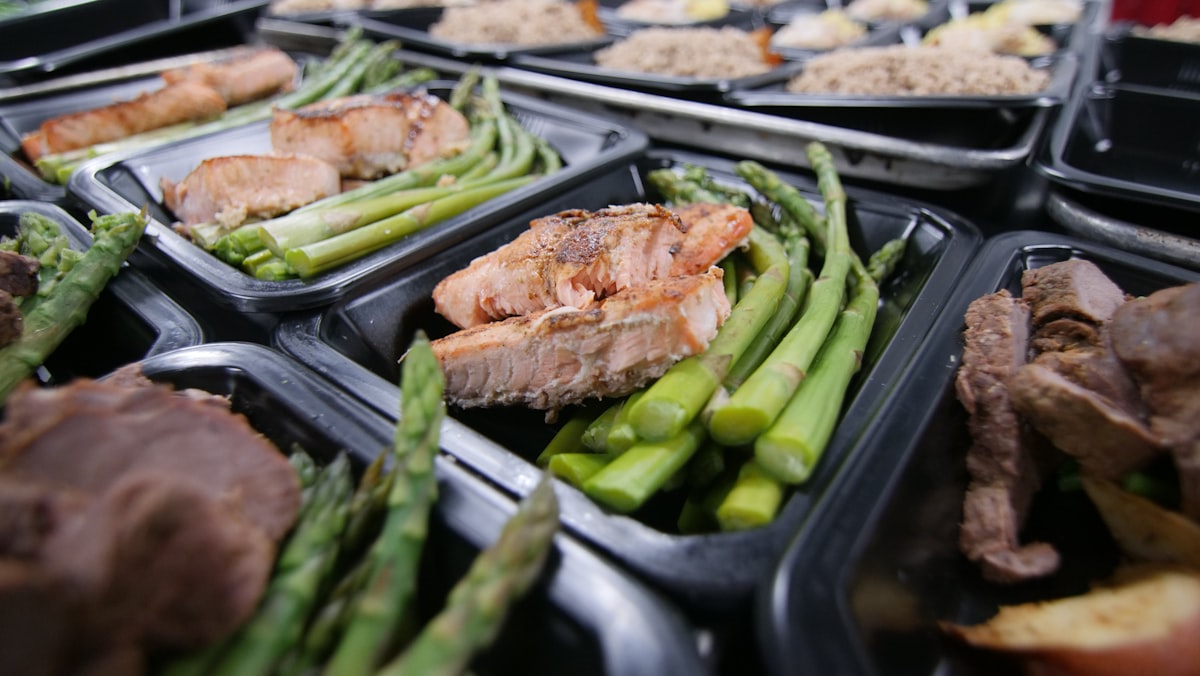
7-Day Muscle Building Meal Plan for Newcomers
Start your fitness journey with a structured weekly meal plan designed specifically for beginners. This guide provides simple, practical meal ideas that deliver 2,500+ calories with balanced macronutrients to support muscle development without overwhelming your kitchen skills.
Read Article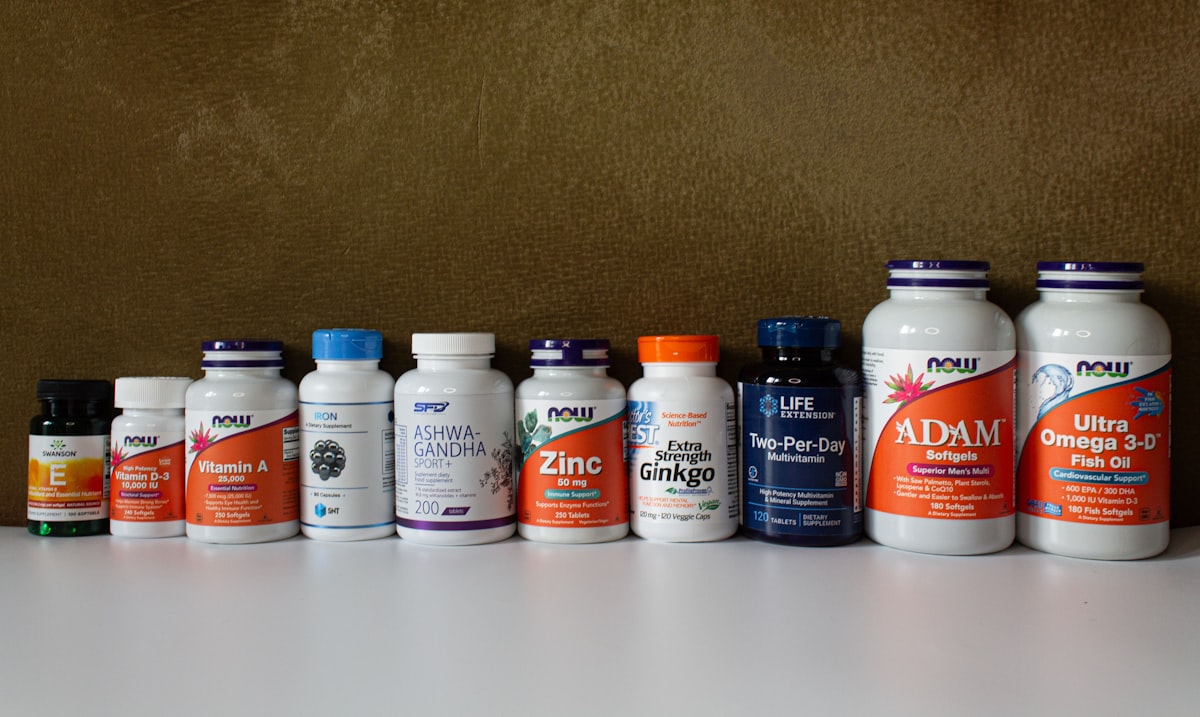
Supplement Stack Optimization for Serious Athletes
Elevate your supplementation strategy with science-backed supplement combinations. Learn how to select, stack, and time creatine monohydrate, whey protein, beta-alanine, and branched-chain amino acids for maximum muscular adaptation and recovery.
Read Article
Hydration Science and Electrolyte Balance
Understand the critical role of proper hydration in muscle protein synthesis and recovery. This article explores water intake calculations, electrolyte needs, performance-enhancing hydration strategies, and how dehydration impacts strength and endurance during intense training sessions.
Read Article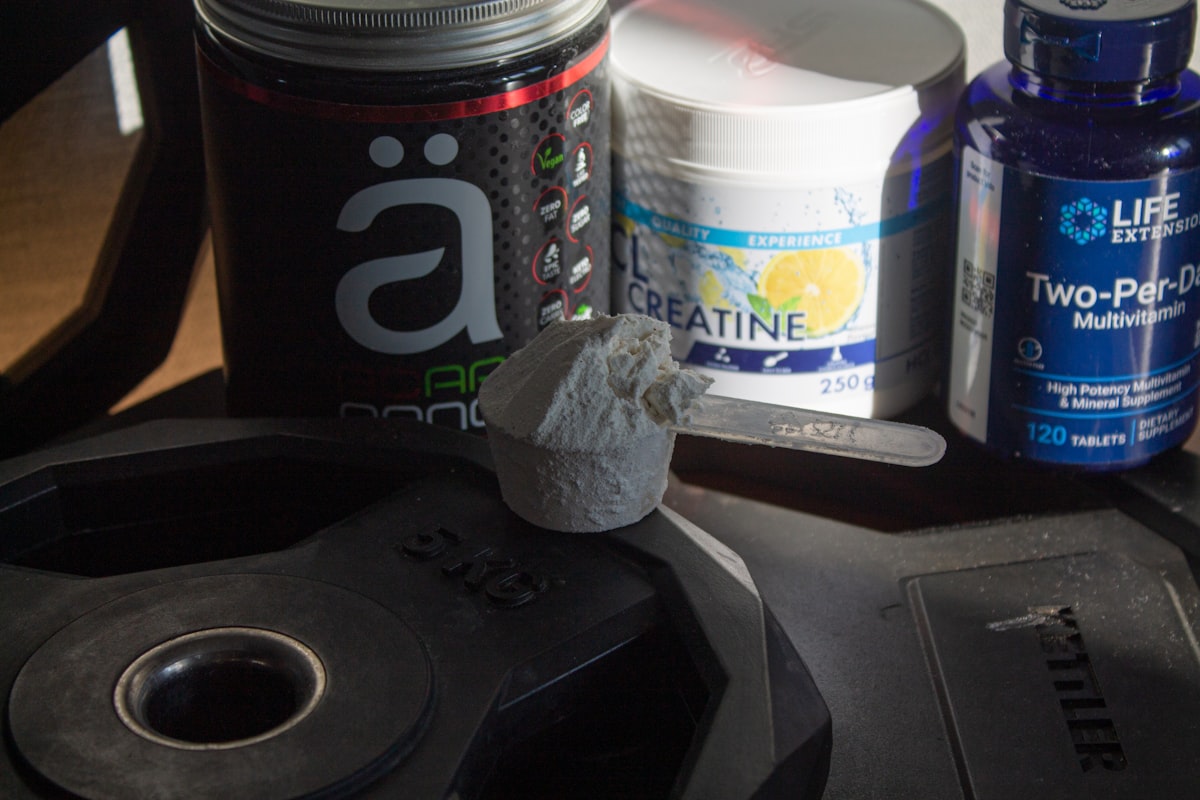
Strategic Carbohydrate Timing for Maximum Performance
Learn when and how to consume carbohydrates for optimal energy, performance, and recovery. This guide covers pre-workout fueling strategies, post-workout glycogen replenishment, and periodized carb manipulation to support progressive strength increases and muscle development.
Read Article
Body Composition: Building Muscle While Reducing Body Fat
Master the science of simultaneous muscle building and fat loss through intelligent nutritional periodization. Explore caloric deficits, protein scaling strategies, training intensity adjustments, and supplemental support to achieve a leaner physique while maintaining hard-earned muscle mass.
Read Article
Essential Micronutrients for Muscle Development
Discover the vitamins and minerals that power muscle growth, hormonal balance, and recovery. This comprehensive guide covers zinc, magnesium, vitamin D, iron, and B-complex vitamins—examining food sources, supplemental forms, and optimal daily intake ranges for athletes.
Read Article
Weekly Meal Preparation: Save Time, Build Muscle
Transform your nutrition consistency with strategic meal preparation. Learn batch cooking techniques, food storage best practices, portion control systems, and weekly planning frameworks that ensure you never miss your macronutrient targets despite busy schedules.
Read ArticleDeepen Your Nutritional Knowledge
Our editorial team continuously publishes research-based articles covering muscle building nutrition, training science, recovery strategies, and performance optimization for men at every fitness level.
Frequently Asked Questions
Current sports nutrition research suggests consuming approximately 0.7-1.0 grams of protein per pound of body weight daily when in a caloric surplus and engaged in consistent resistance training. For a 180-pound male, this equates to 126-180 grams of protein daily. This target supports optimal muscle protein synthesis while allowing adequate recovery between training sessions. Individual requirements may vary based on training intensity, age, and metabolic factors.
Yes, periodizing carbohydrate intake relative to training volume is a legitimate nutritional strategy. On days with intense resistance training or high-volume workouts, elevate carbohydrate intake to support glycogen replenishment, hormonal balance, and recovery. On rest days or light activity days, you may reduce carbohydrates slightly while maintaining protein intake. This approach optimizes performance, recovery, and body composition when combined with consistent training and overall caloric awareness.
The "anabolic window"—the post-workout period—does favor nutrient timing, but the effect is modest. Consuming protein within 1-2 hours post-workout supports muscle protein synthesis optimization. However, total daily protein intake and consistent training matter far more than precise timing. If you can't eat immediately after training, consuming your protein within 2-4 hours remains effective. Prioritize total daily protein targets and meal consistency before obsessing over minute-by-minute timing.
Yes, body recomposition—simultaneous fat loss and muscle gain—is achievable, particularly for beginners or individuals with higher body fat percentages. Maintaining elevated protein intake (1.0+ grams per pound), engaging in progressive resistance training, and creating a modest caloric deficit (500 calories below maintenance) creates conditions for muscle retention and modest strength gains while reducing body fat. This process is slower than dedicated bulking or cutting phases but delivers superior aesthetic results.
Supplements are optional but can enhance results when whole-food nutrition is optimized first. Creatine monohydrate and whey protein are among the most researched supplements with strong evidence supporting muscle gains and recovery. However, excellent results are absolutely achievable through whole food alone: chicken, beef, fish, eggs, milk, beans, rice, oats, and vegetables provide all necessary nutrients. Supplements fill gaps, improve convenience, and may offer small performance advantages—but they cannot replace proper training and adequate caloric and protein intake.
Ready to Transform Your Fitness Journey?
Explore our complete collection of muscle-building guides, nutrition strategies, and training science articles. Access educational content created by fitness experts dedicated to helping men achieve their body composition goals.
Explore All Articles